Tradition
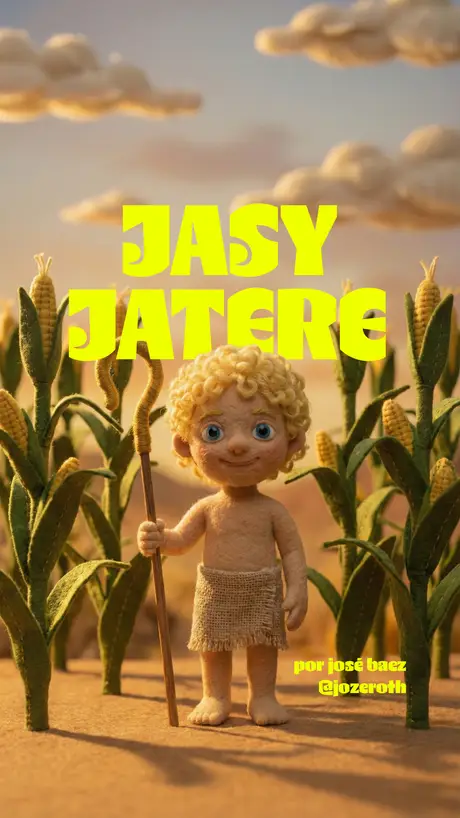
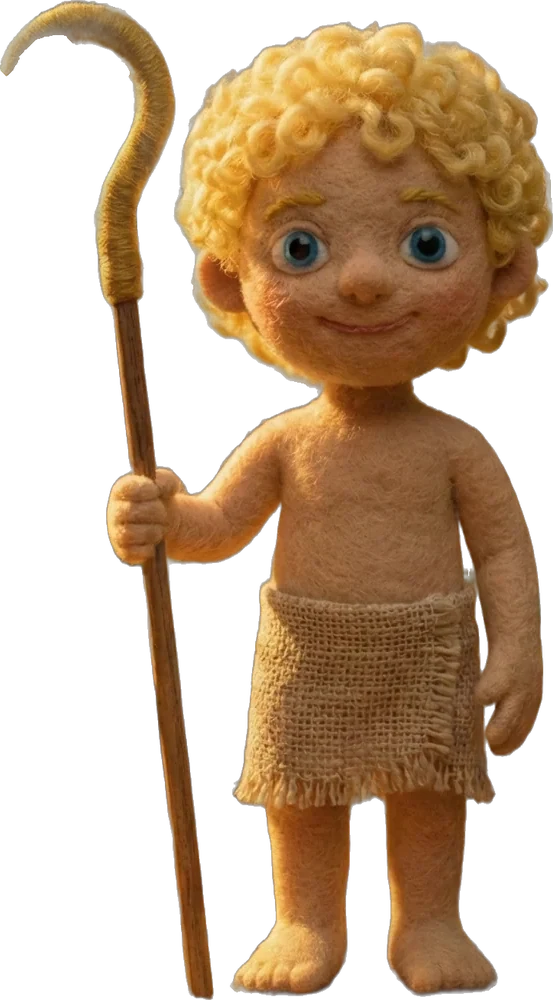
When the siesta leaves the fields in silence, a golden-haired child walks through the corn.
 4/7

A fragment of the moon, according to Colmán
Tap the map to zoom inTap again to zoom out
Saga Tradition speaks of cornfields and forest. Misiones is the place this saga chooses.
Scores made up by this saga, for fun.
Tap the card to see the back
Grab the page and turn it
When the siesta leaves the fields in silence, a golden-haired child walks through the corn.
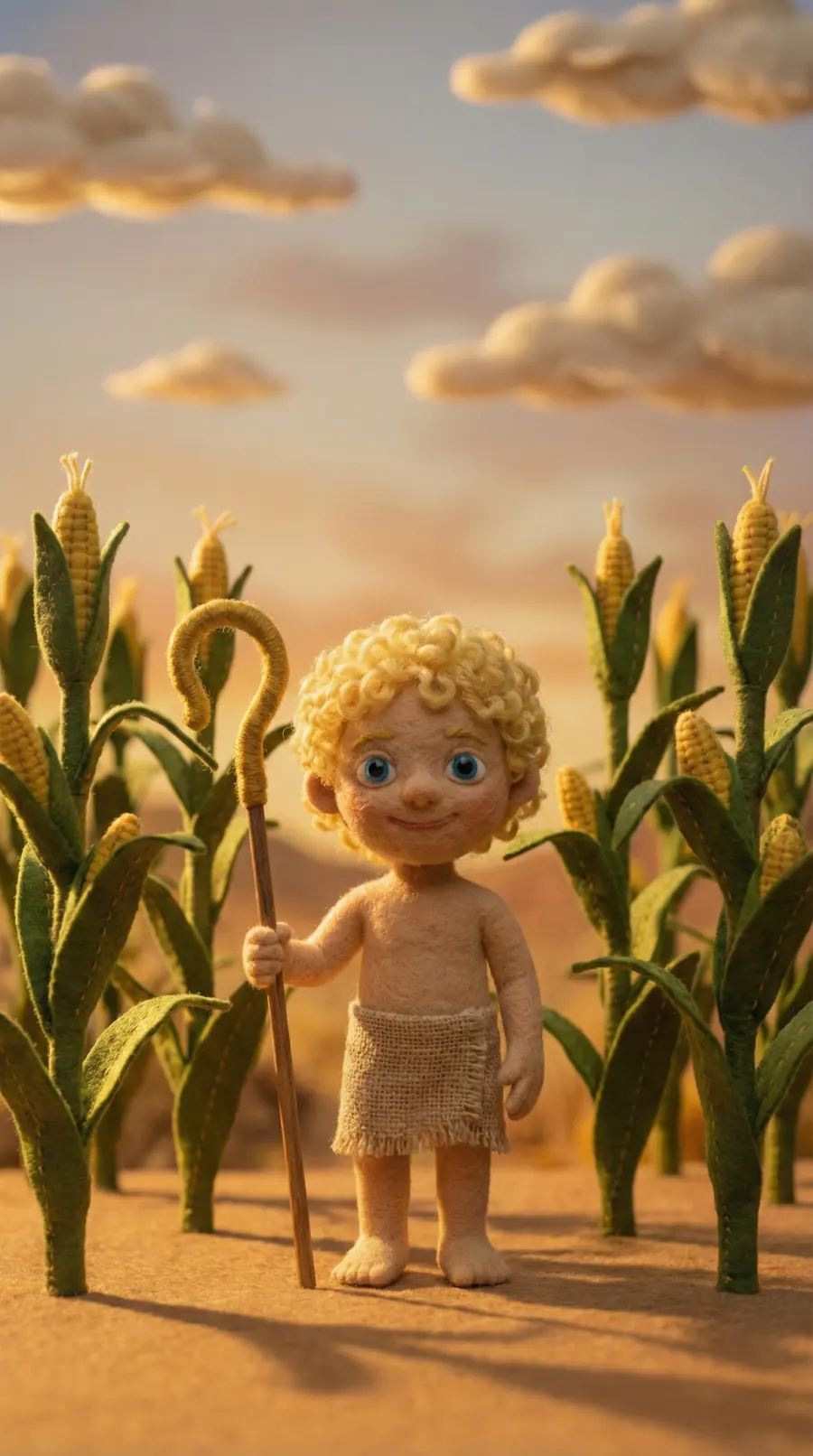
They call him Jasy Jatere. A light being, impossible to catch, who appears and vanishes in the tall grass.
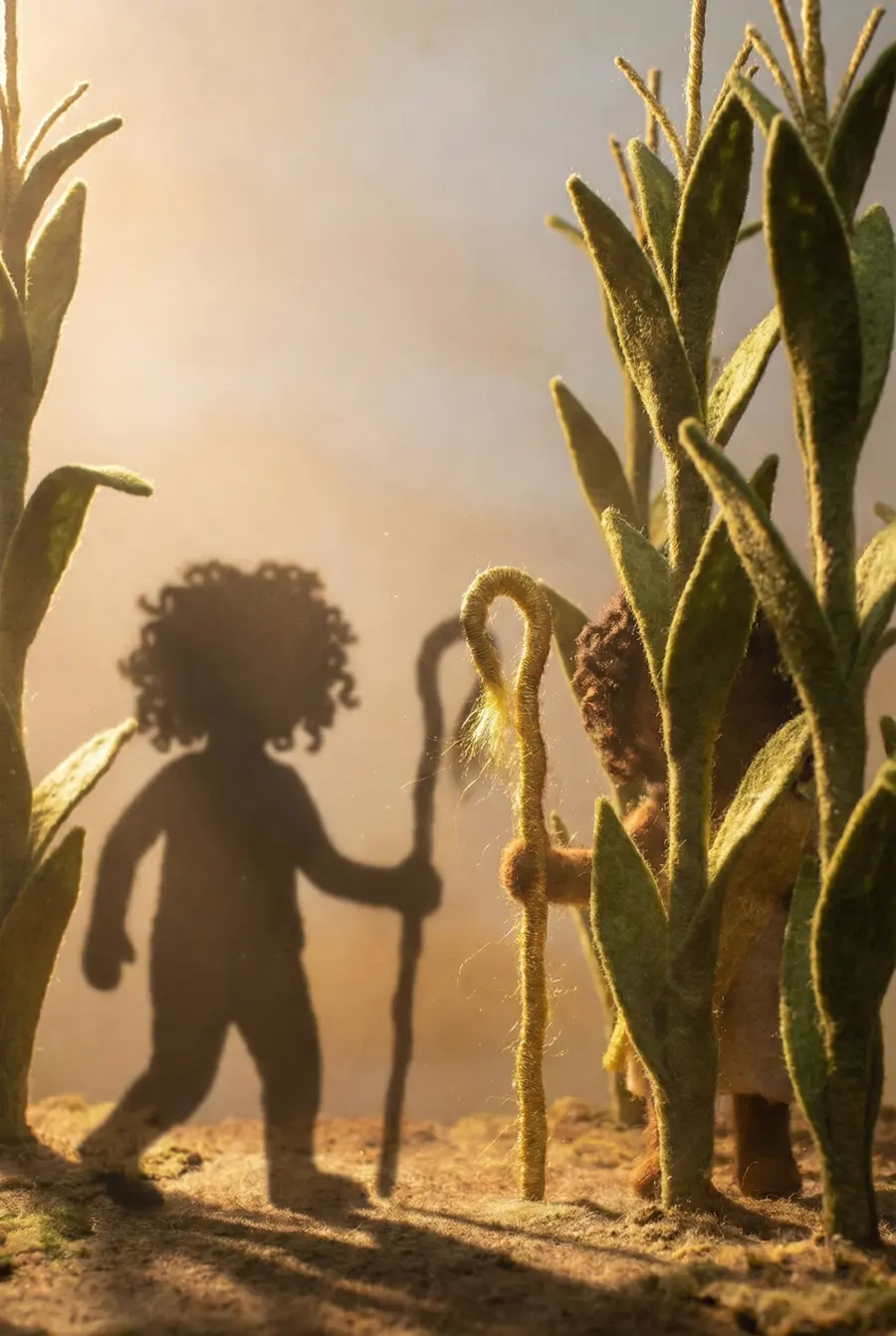
His sharp whistle fools the ear. Near when he is far. Far when he is already watching you.
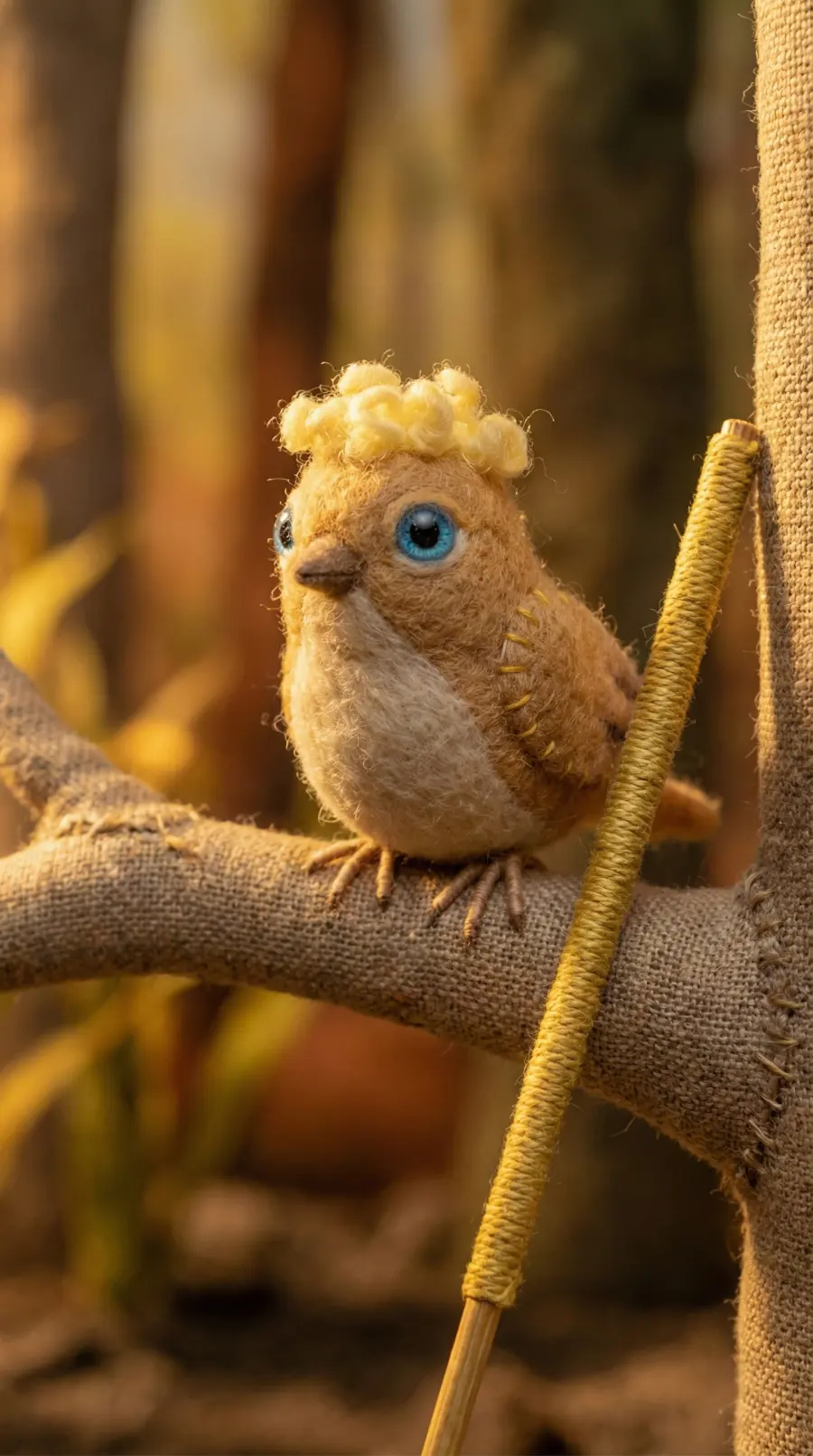
Sometimes he is a bird.
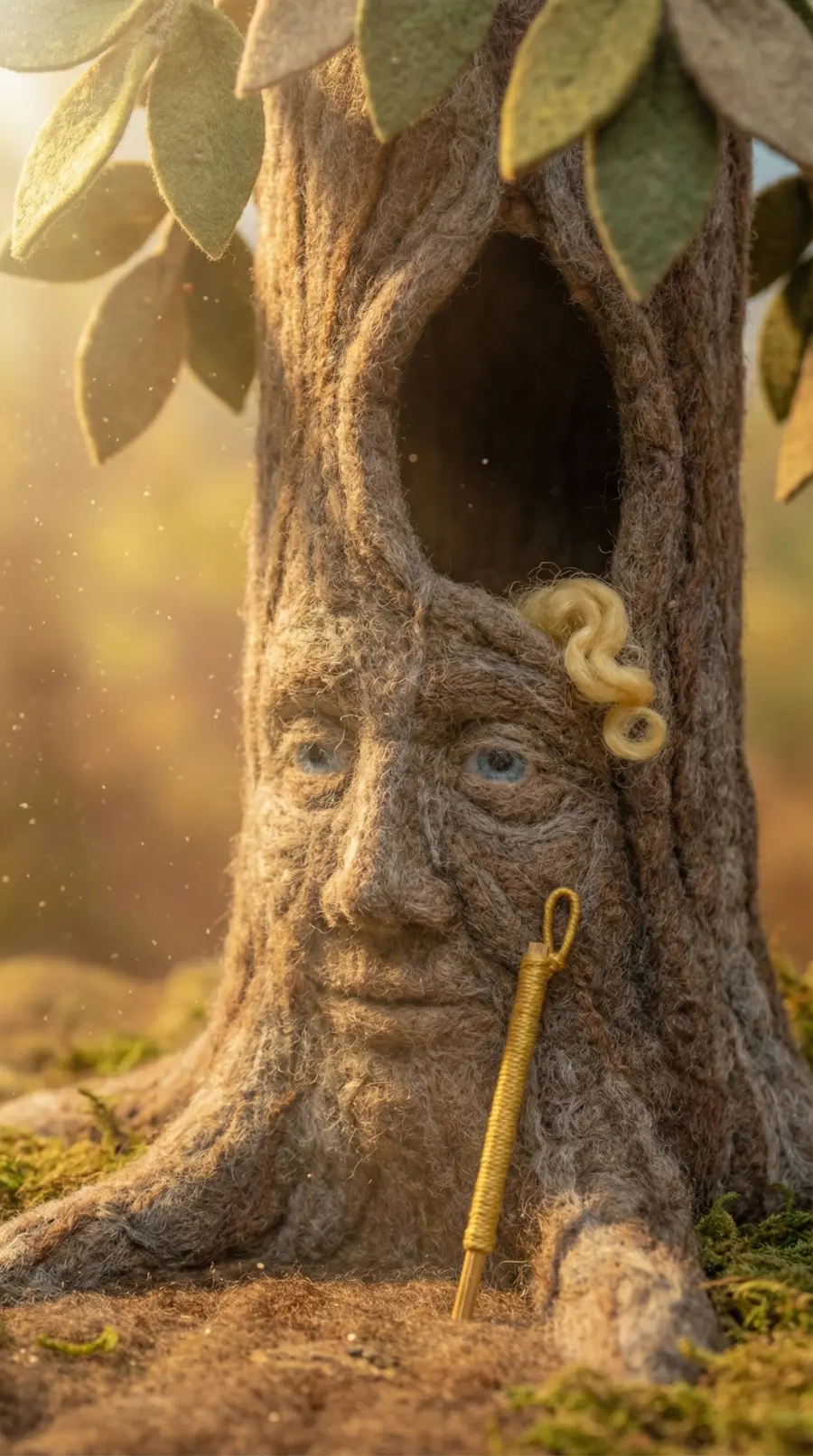
Sometimes a tree trunk.
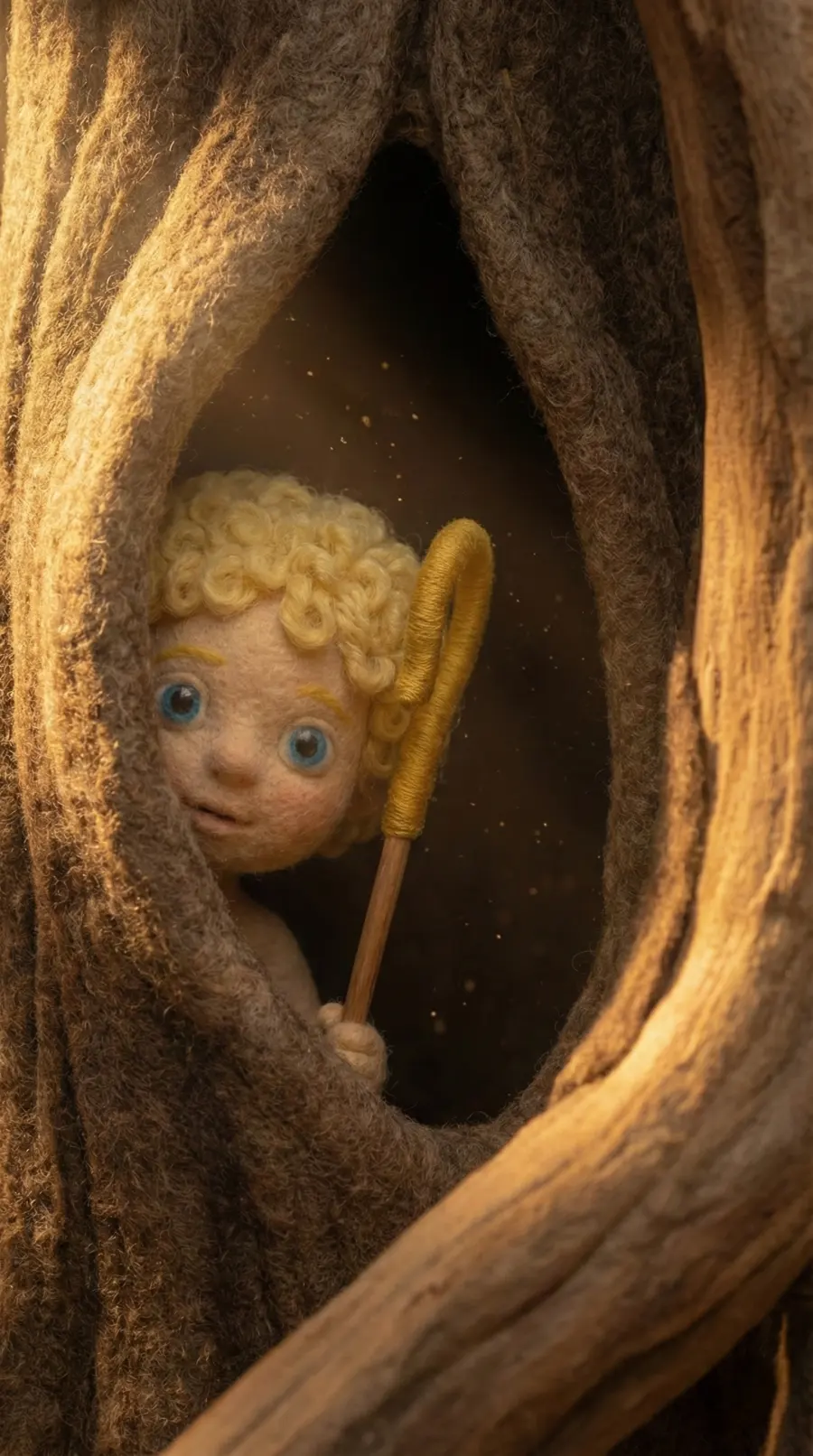
Sometimes just a shadow watching from a hollow tree.
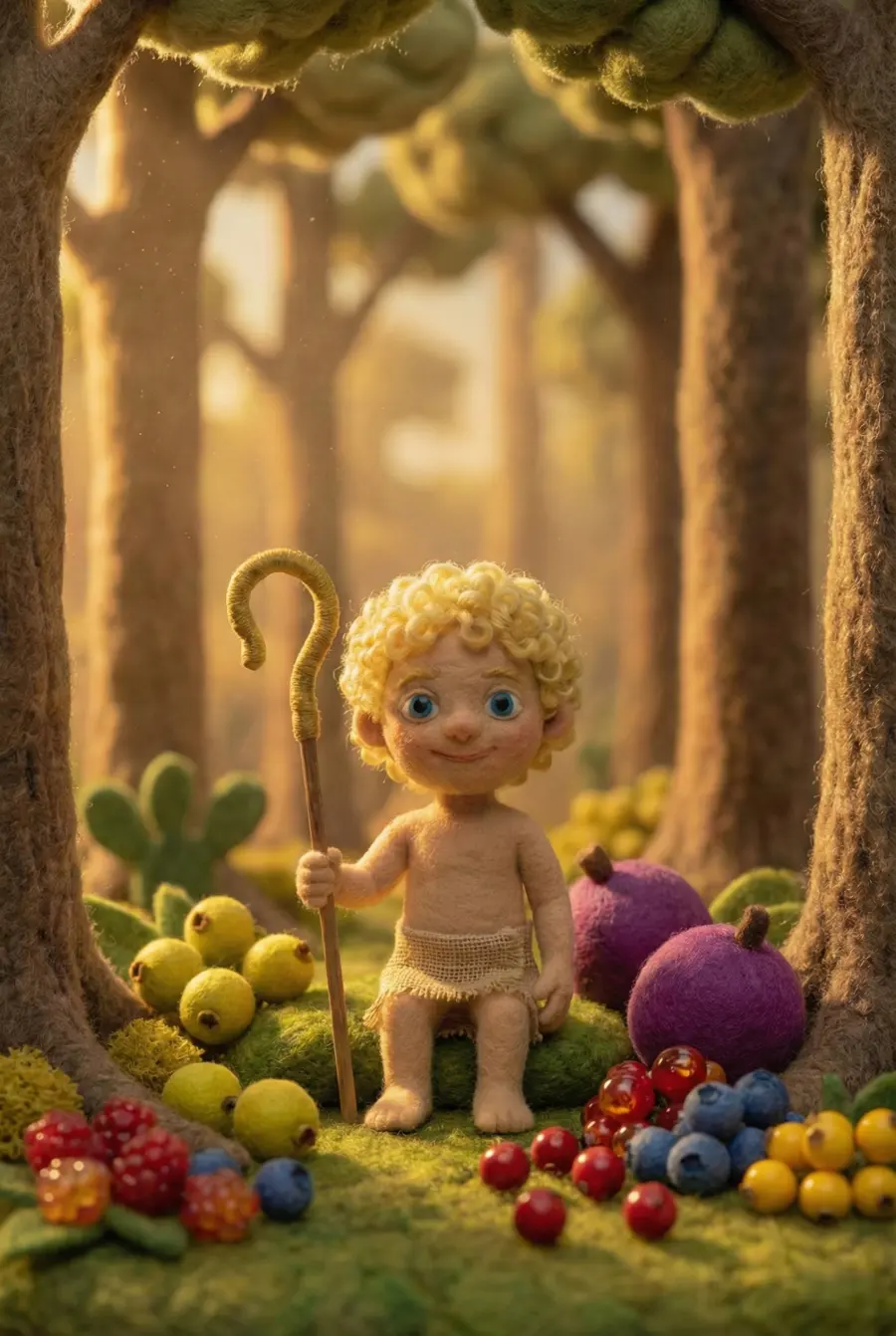
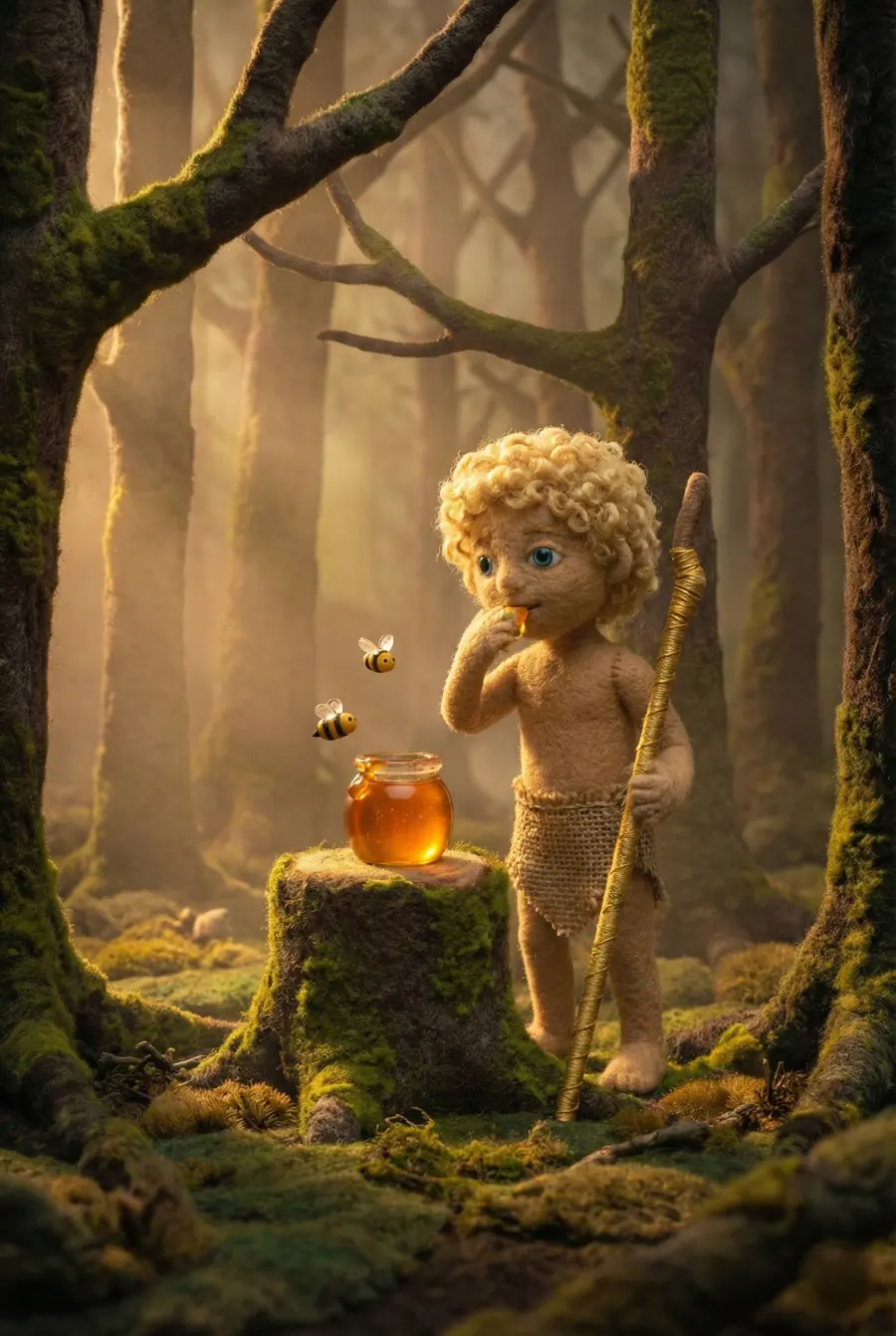
He looks after the birds, the forest fruits and the children who wander during the siesta.
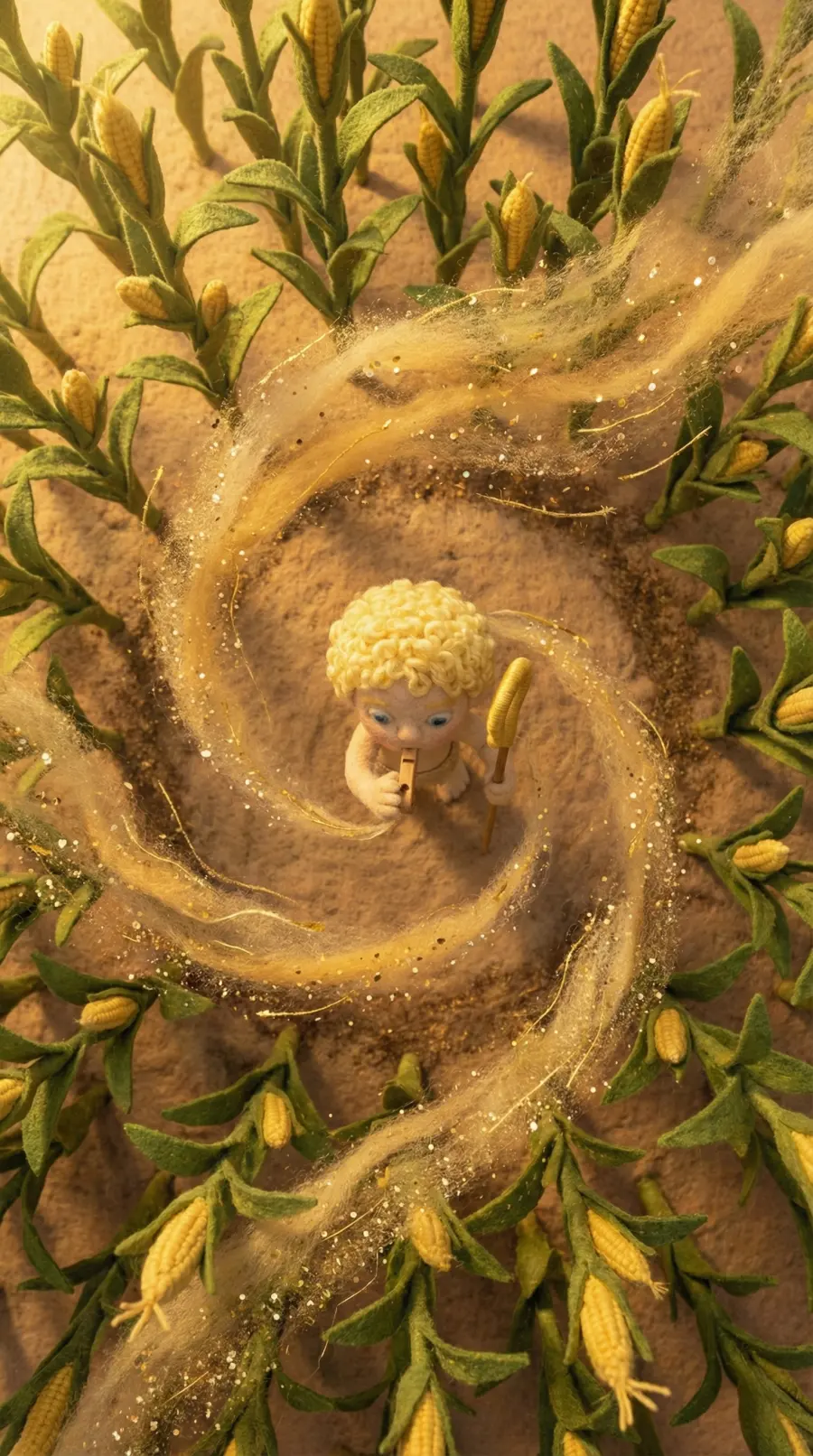
But walking behind him means getting lost, for a moment, in another world.
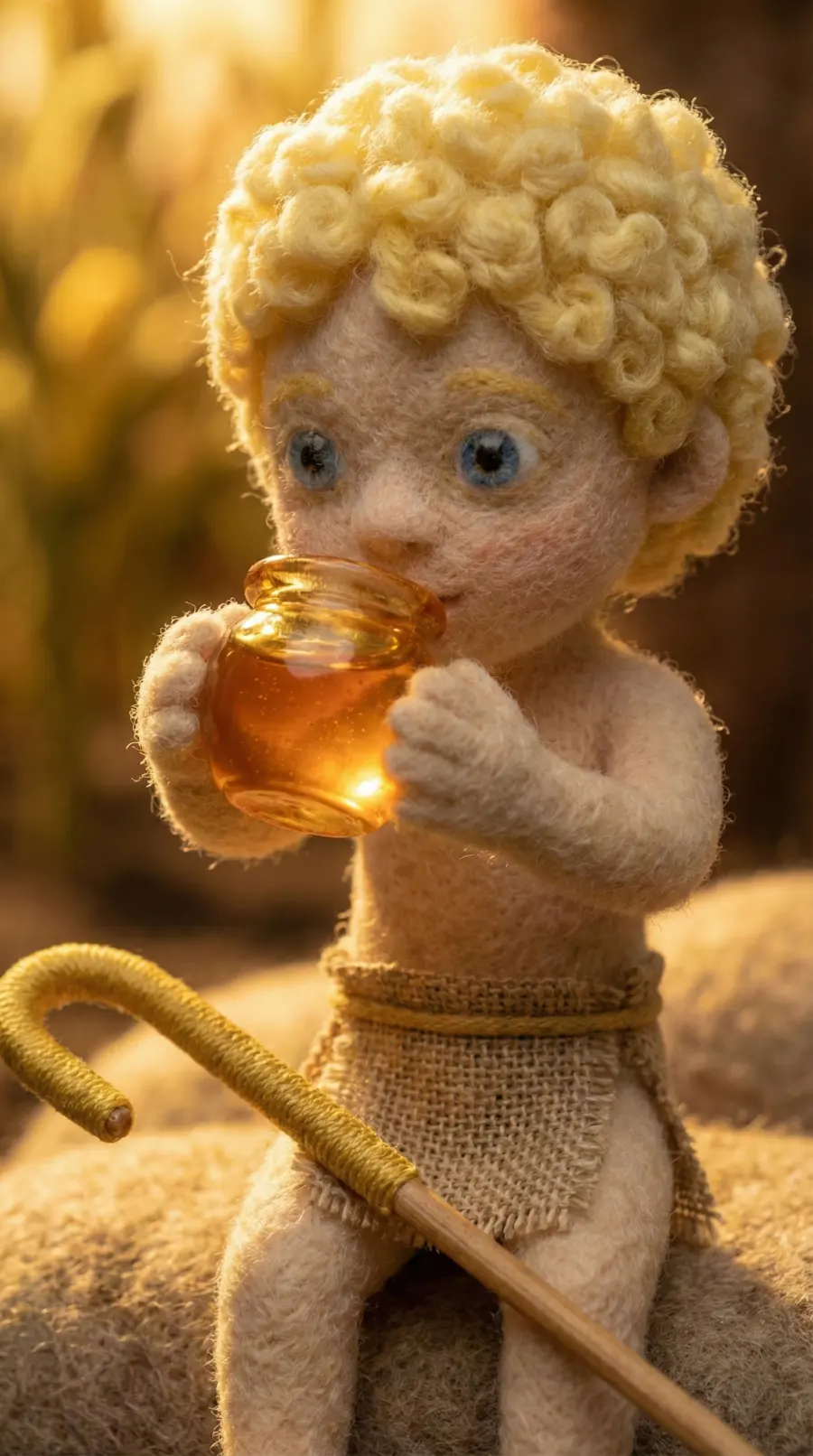
Jasy Jatere is mischief and care at once. He is the wonder of the forest.
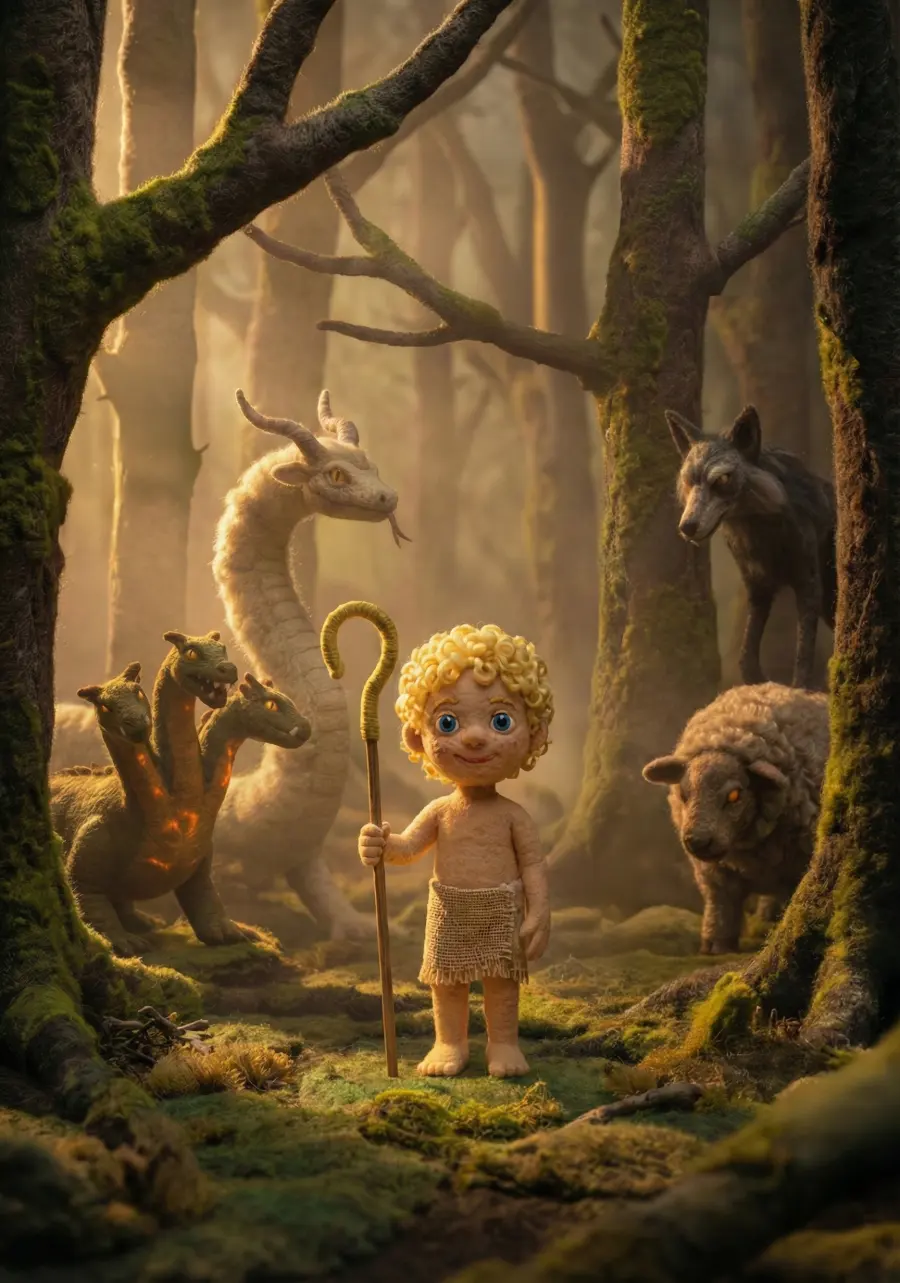
And yes, he too is one of the seven children of Taú and Keraná.
Sixteen frames, as in stop motion. Slide to animate.
Tap a number to zoom in.
Colmán describes him as a little golden-haired man, lord of the siesta, with a golden wand that makes him invisible.1
He was already in folklore before Colmán's book. Juan B. Ambrosetti collected tales about him in the late 19th century.2
There are two faces: the friend who plays and returns children with honey, and the kidnapper who takes them away, even to his brother Ao Ao.31
In Misiones, birds whose call repeats the name are known as yasiyateré. Hence the idea that he is sometimes a bird.4
Some versions make him guardian of yerba mate and of treasure.3
Showing him as a felt child and turning him into a trunk are choices of this saga.