Tradition
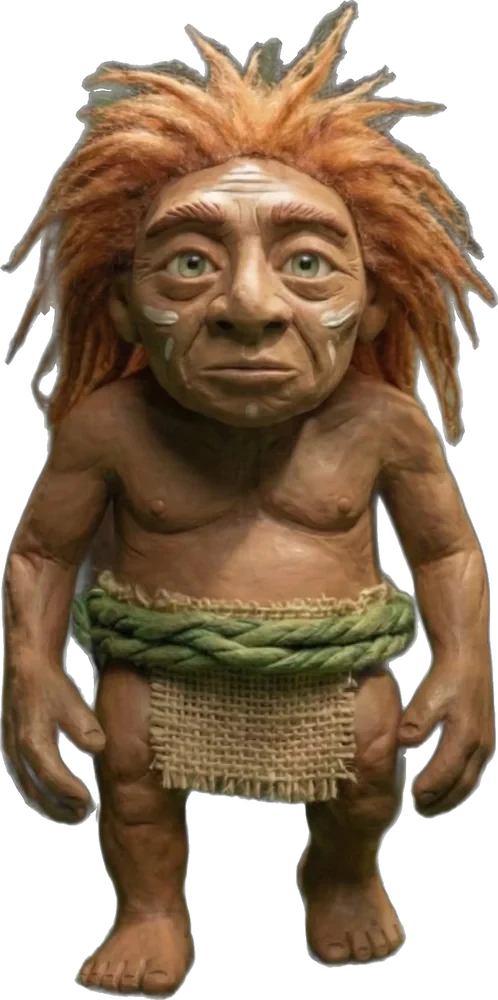
Kurupí is the fifth child of Taú and Keraná.
 5/7

A relative of Brazil's Curupira
Tap the map to zoom inTap again to zoom out
Saga Colmán speaks of the forest. Caazapá is the place this saga chooses.
Scores made up by this saga, for fun.
Tap the card to see the back
Grab the page and turn it
Kurupí is the fifth child of Taú and Keraná.
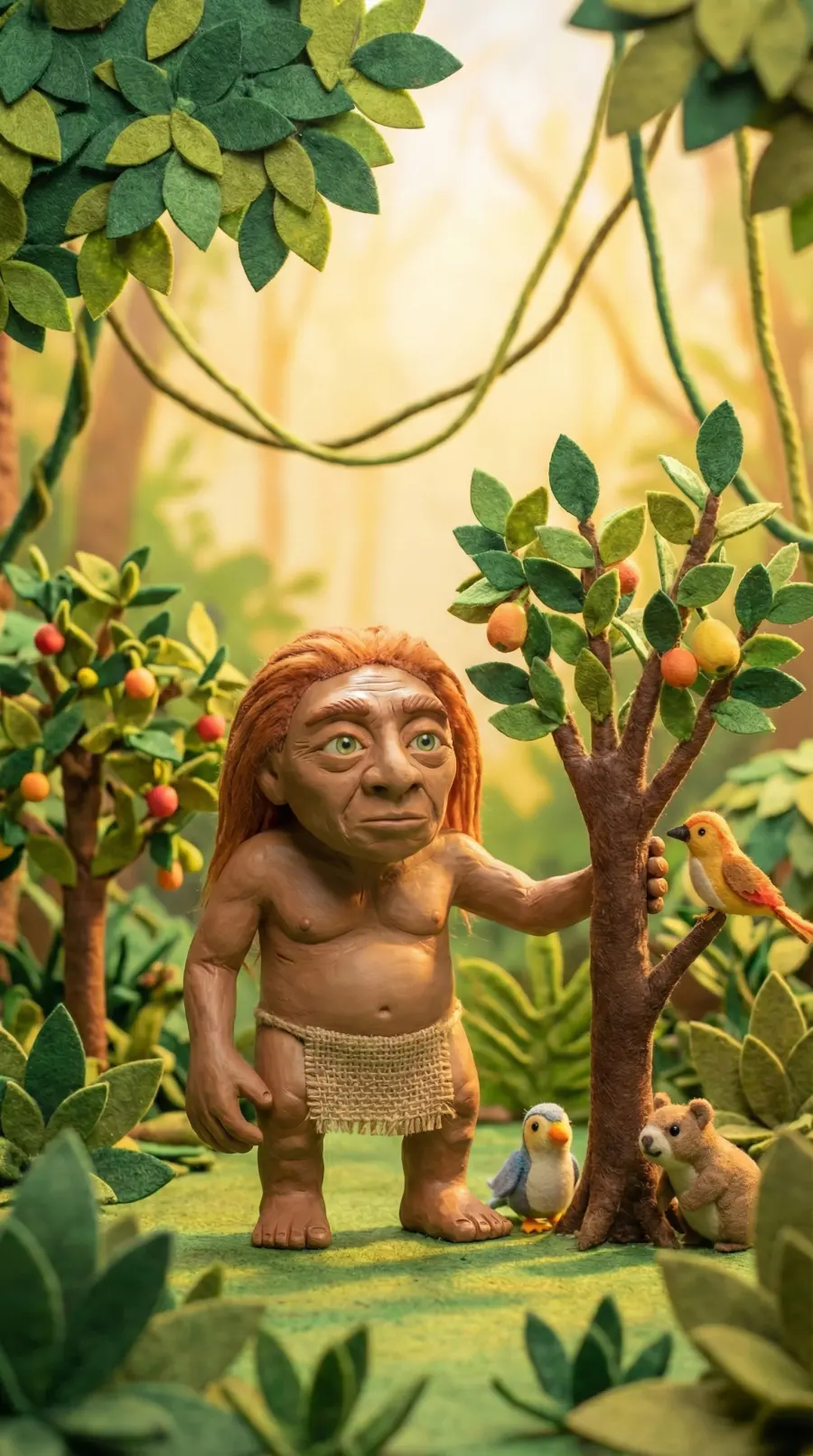
He was born with a mission: to care for the animals and the plants that bear fruit.
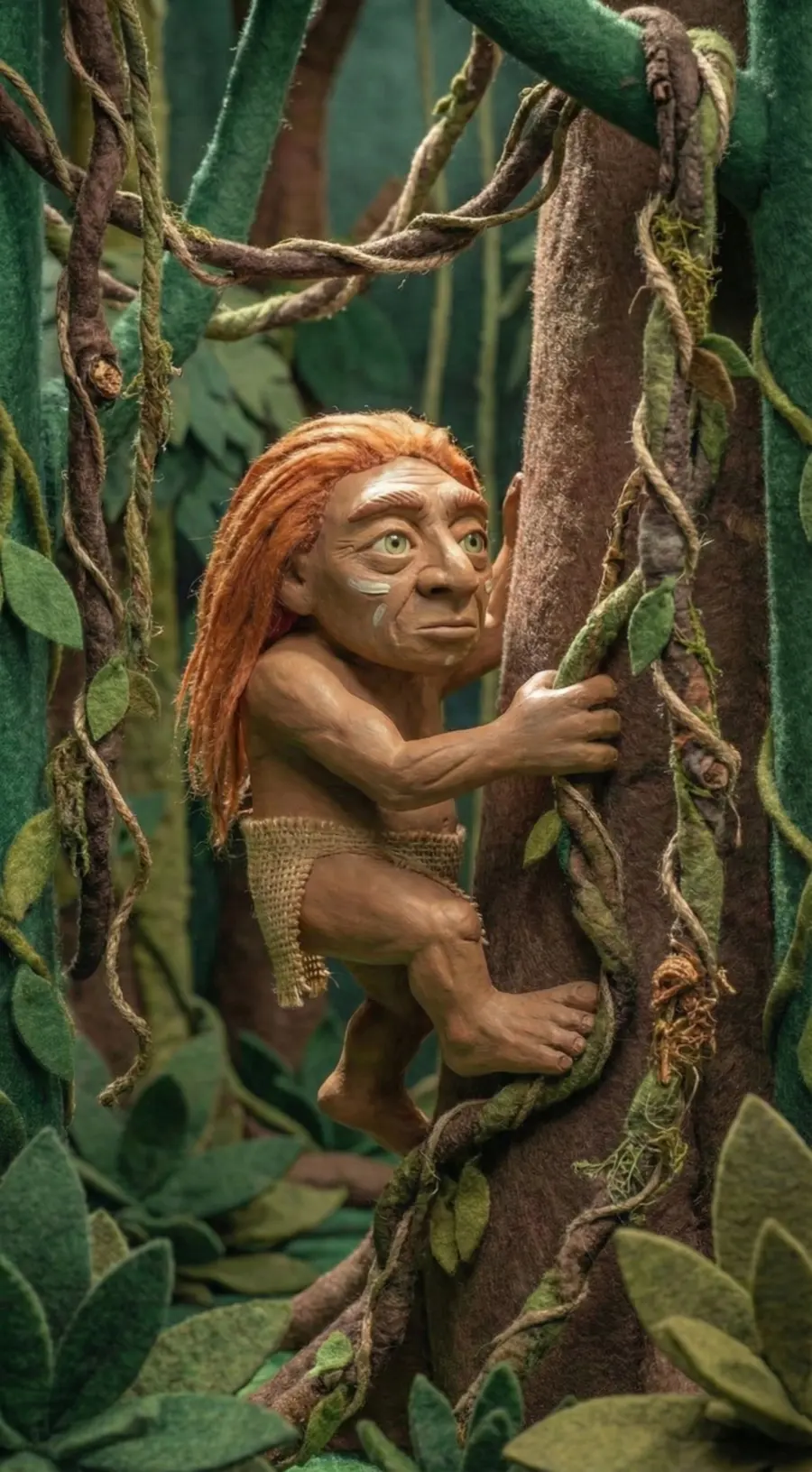
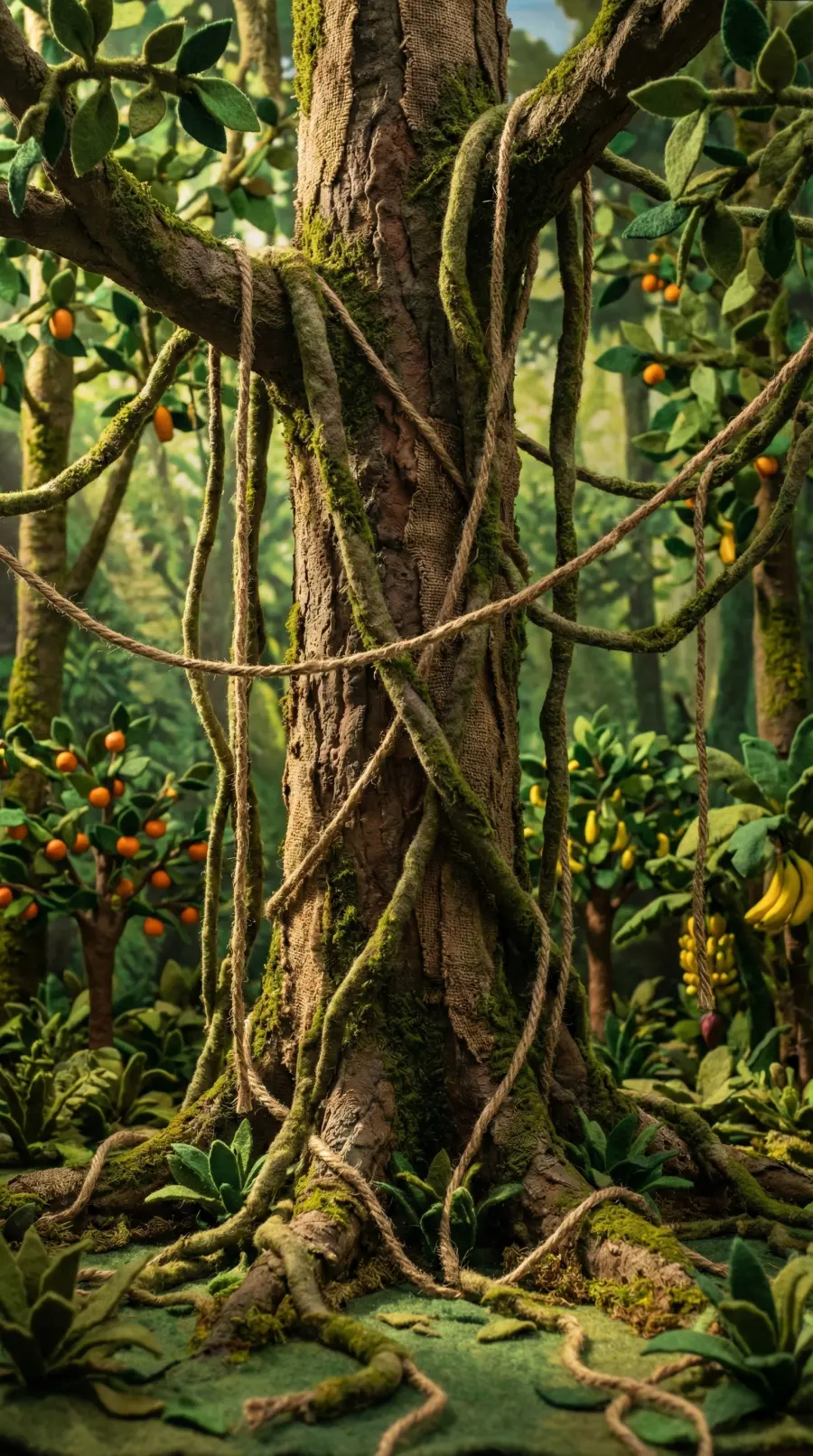
And he fulfilled it for a long time, until one siesta he climbed a tree covered in vines.
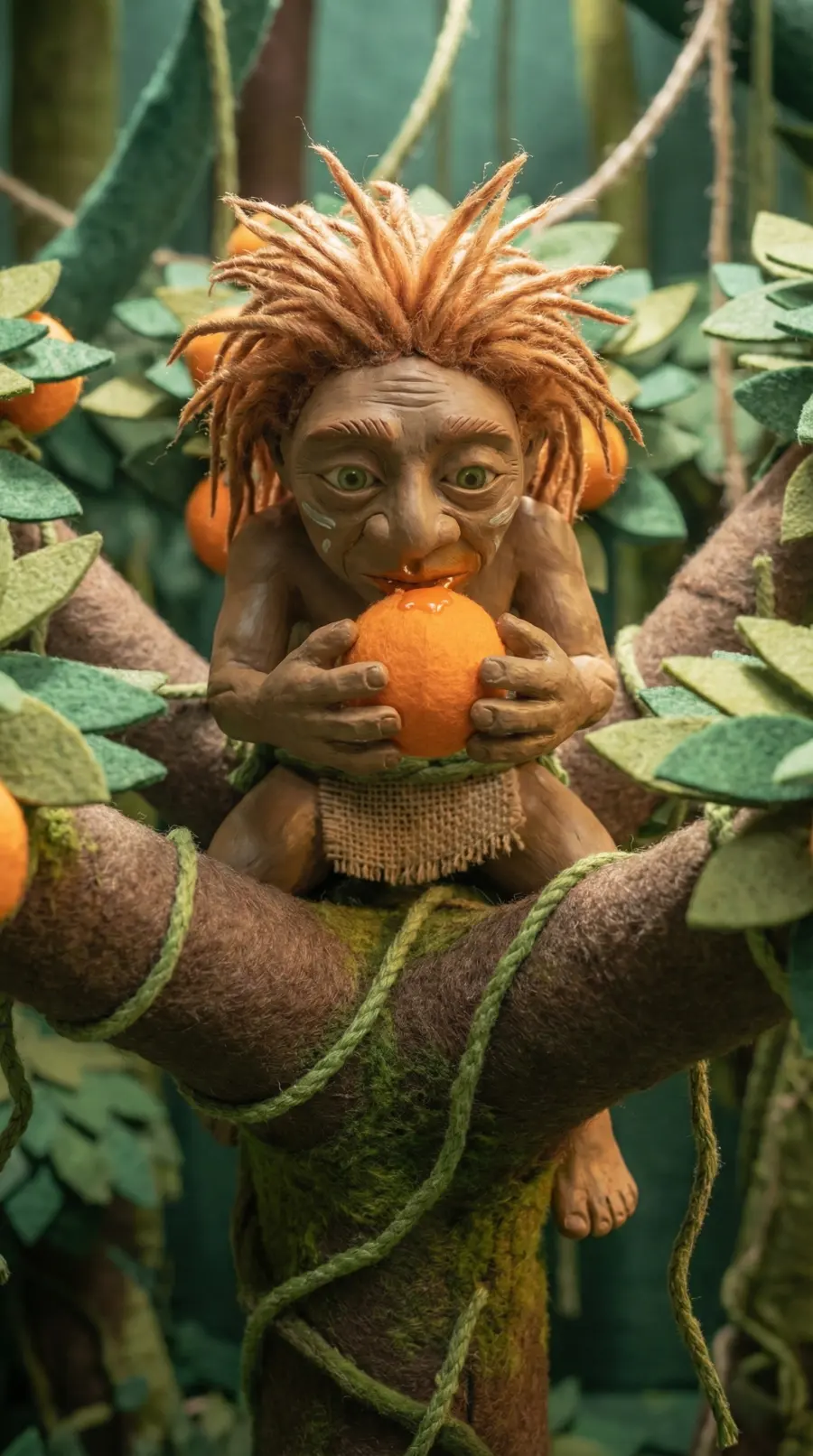
From up high, he watched again.
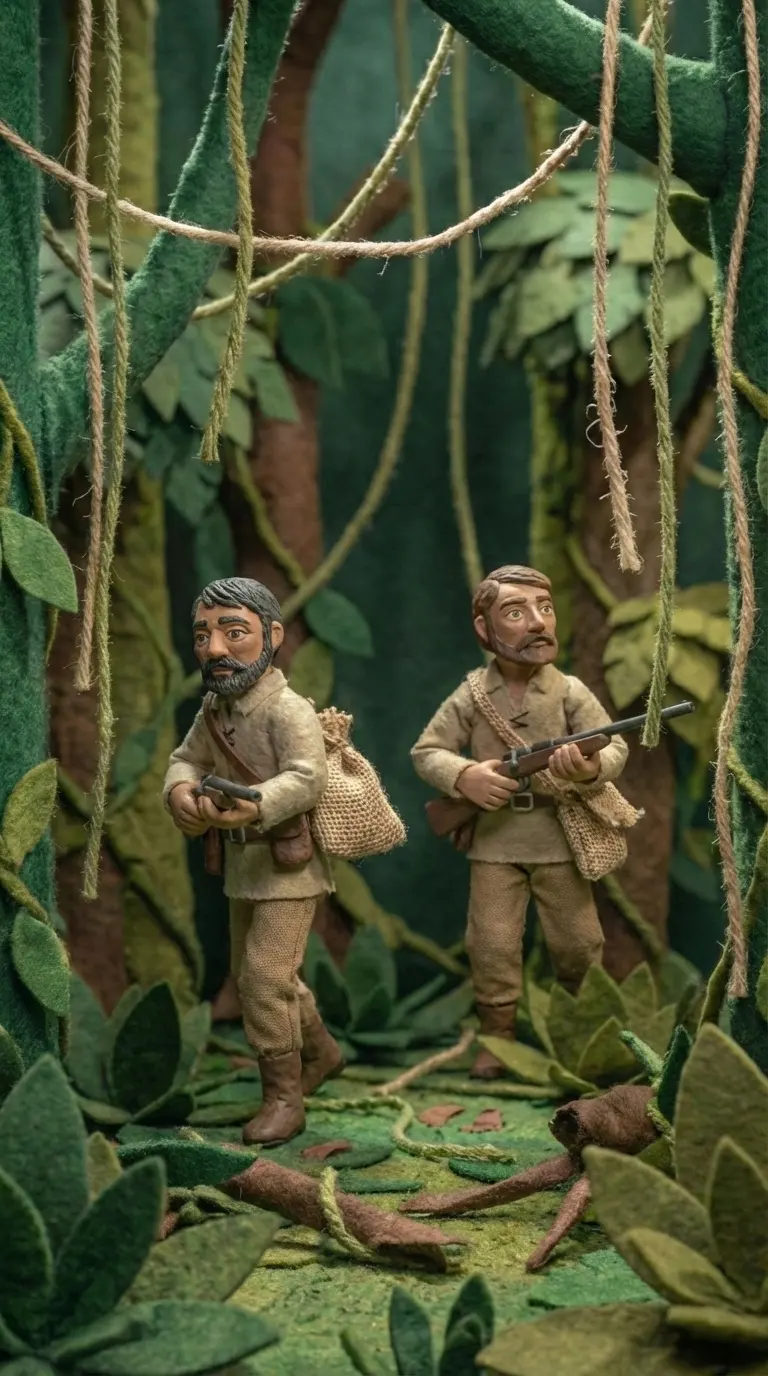
He saw men enter the forest to hunt.
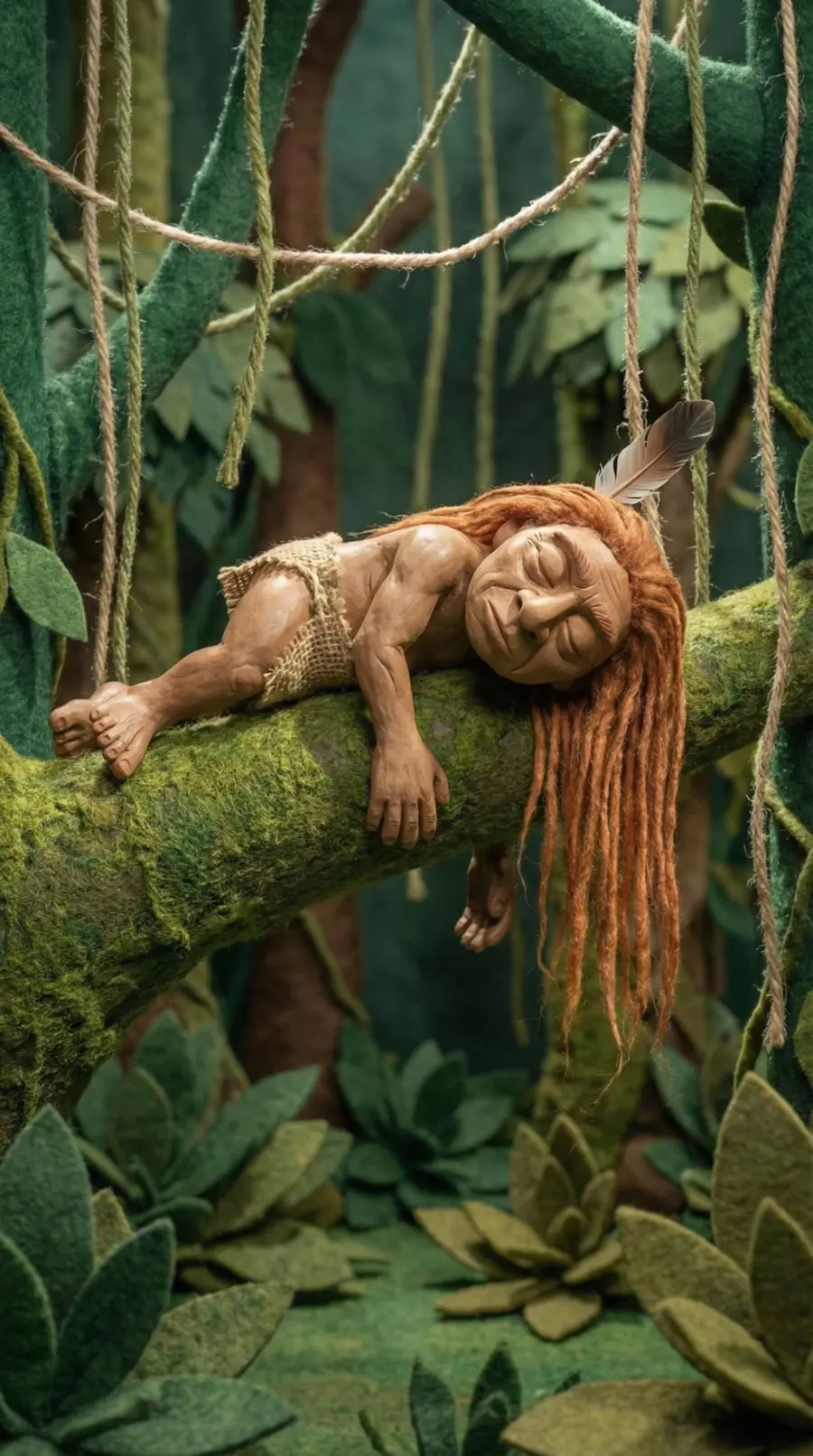
He could have stopped them. But he chose to rest.
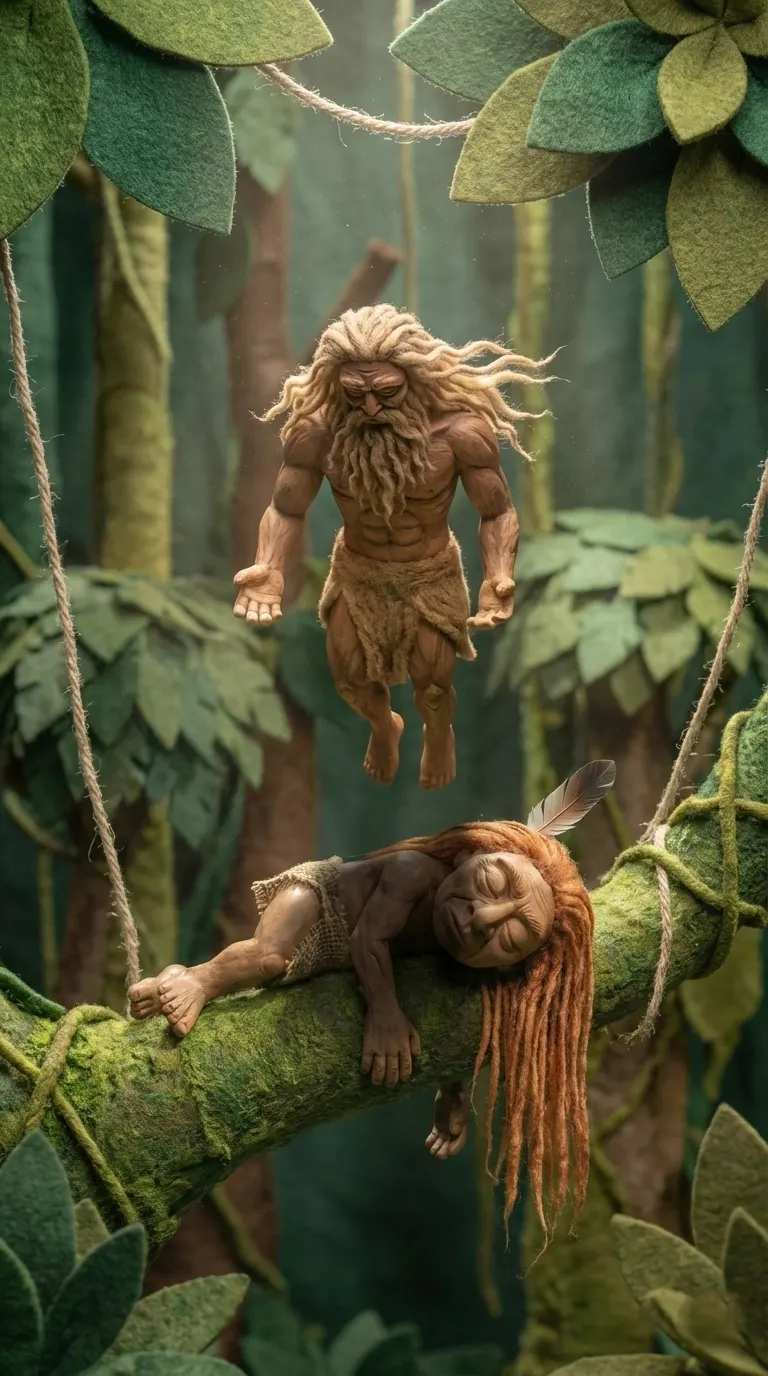
Tupã saw him and punished him.
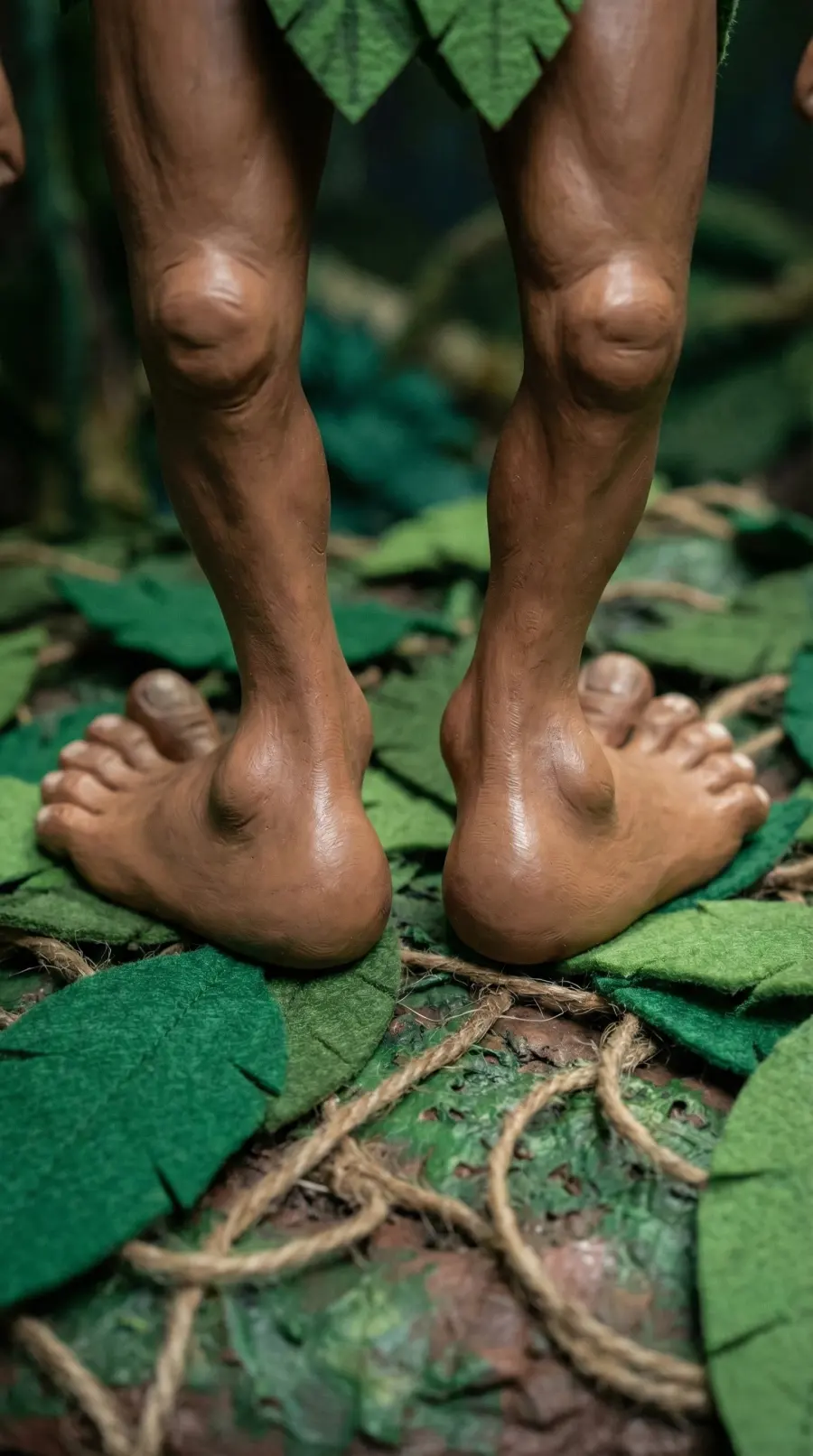
He turned his feet backward, so he would never again run from his duty.
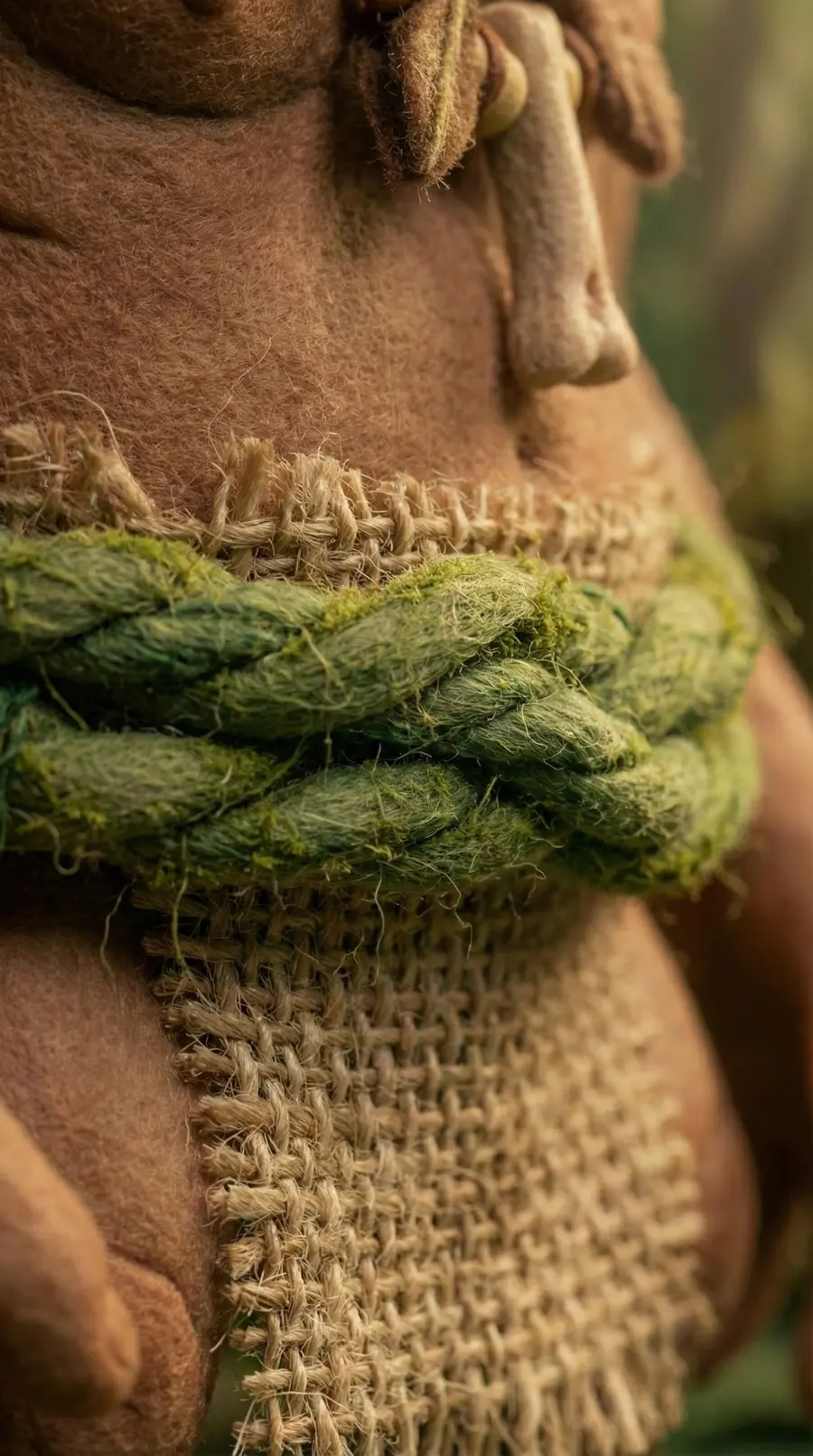
And he tied vines around his waist, so he would never forget why he was created.
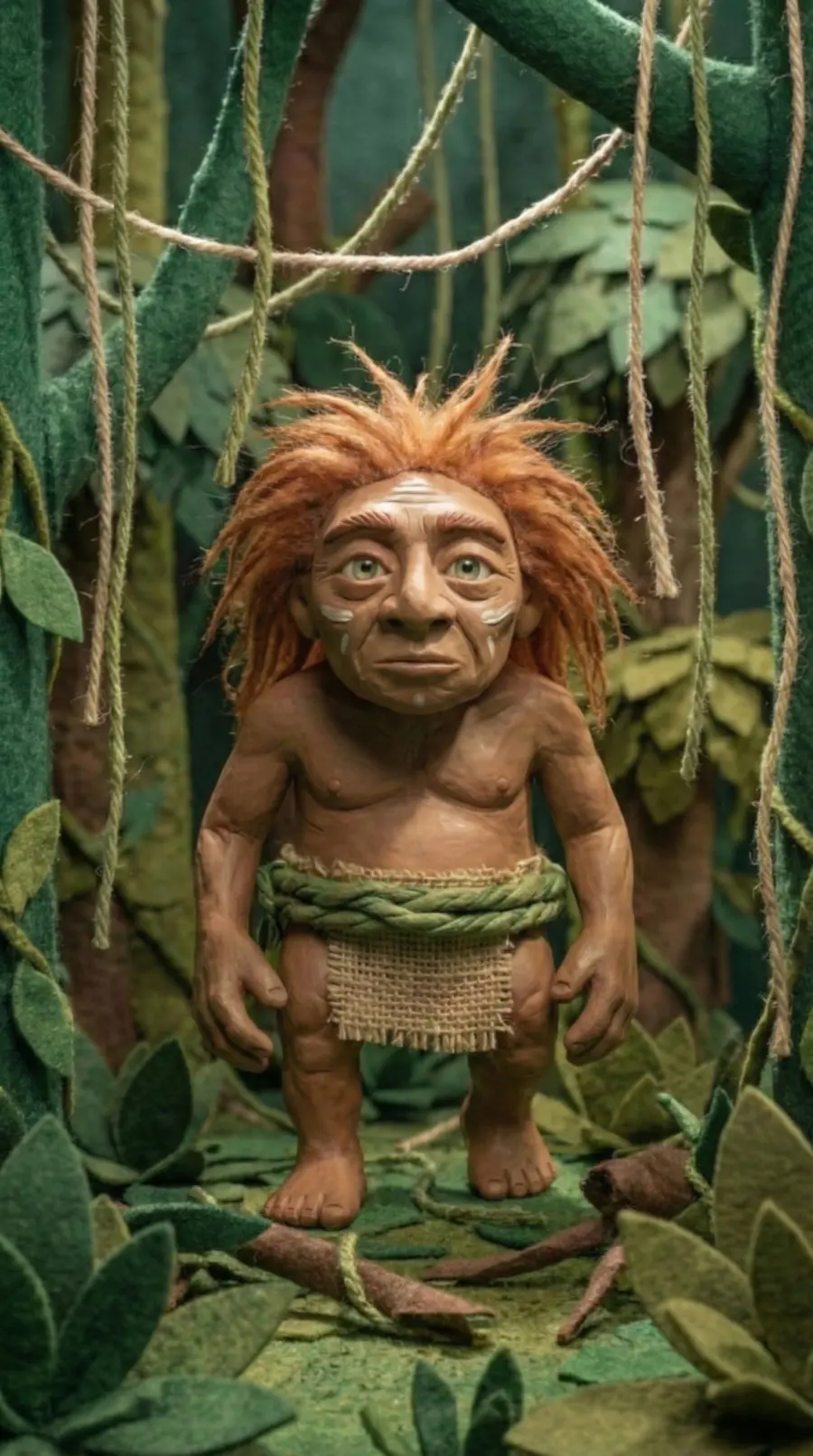
Since then, Kurupí walks the forest at siesta time.
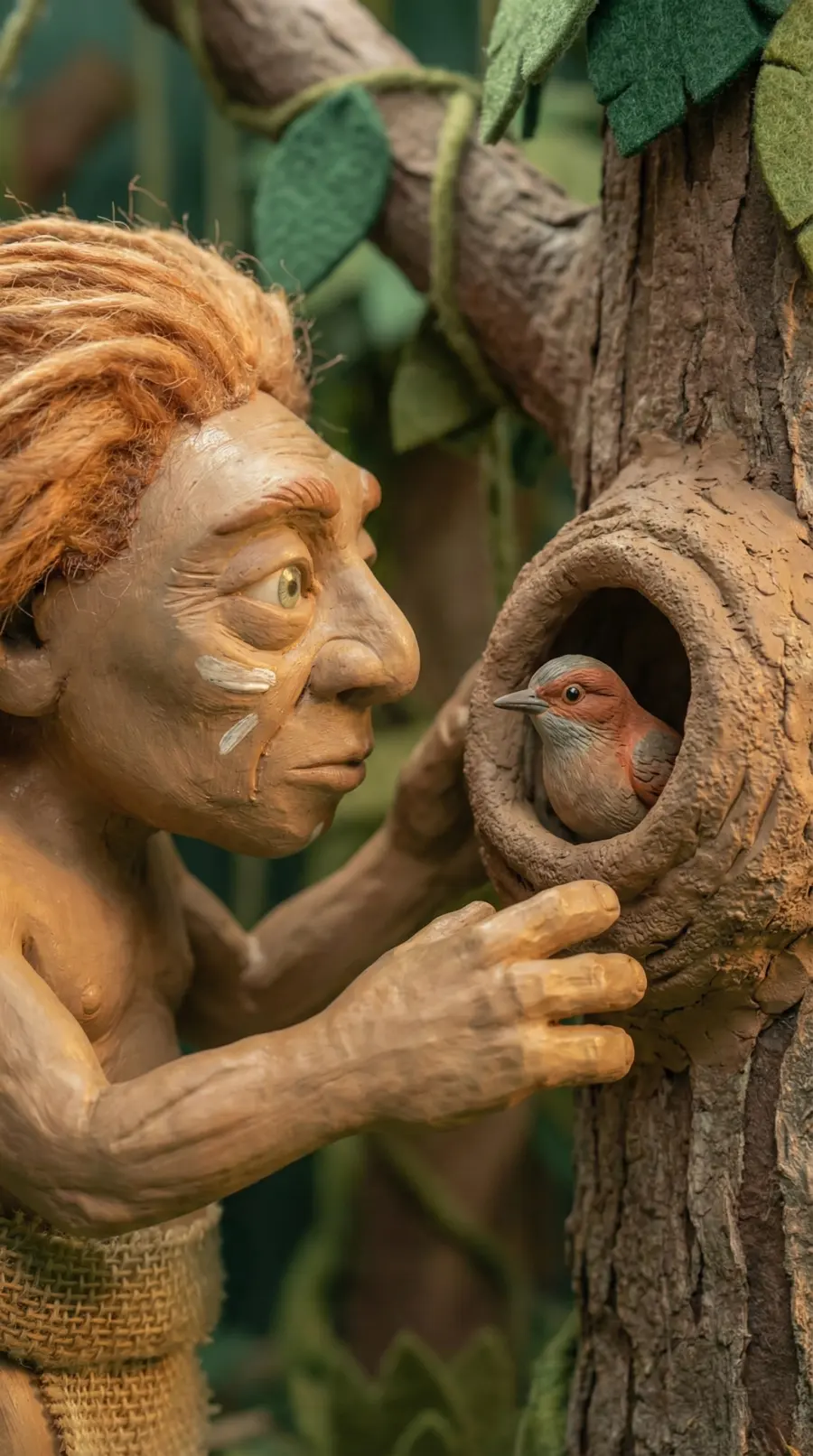
He does not act out of rage. But whoever harms life, he stops.
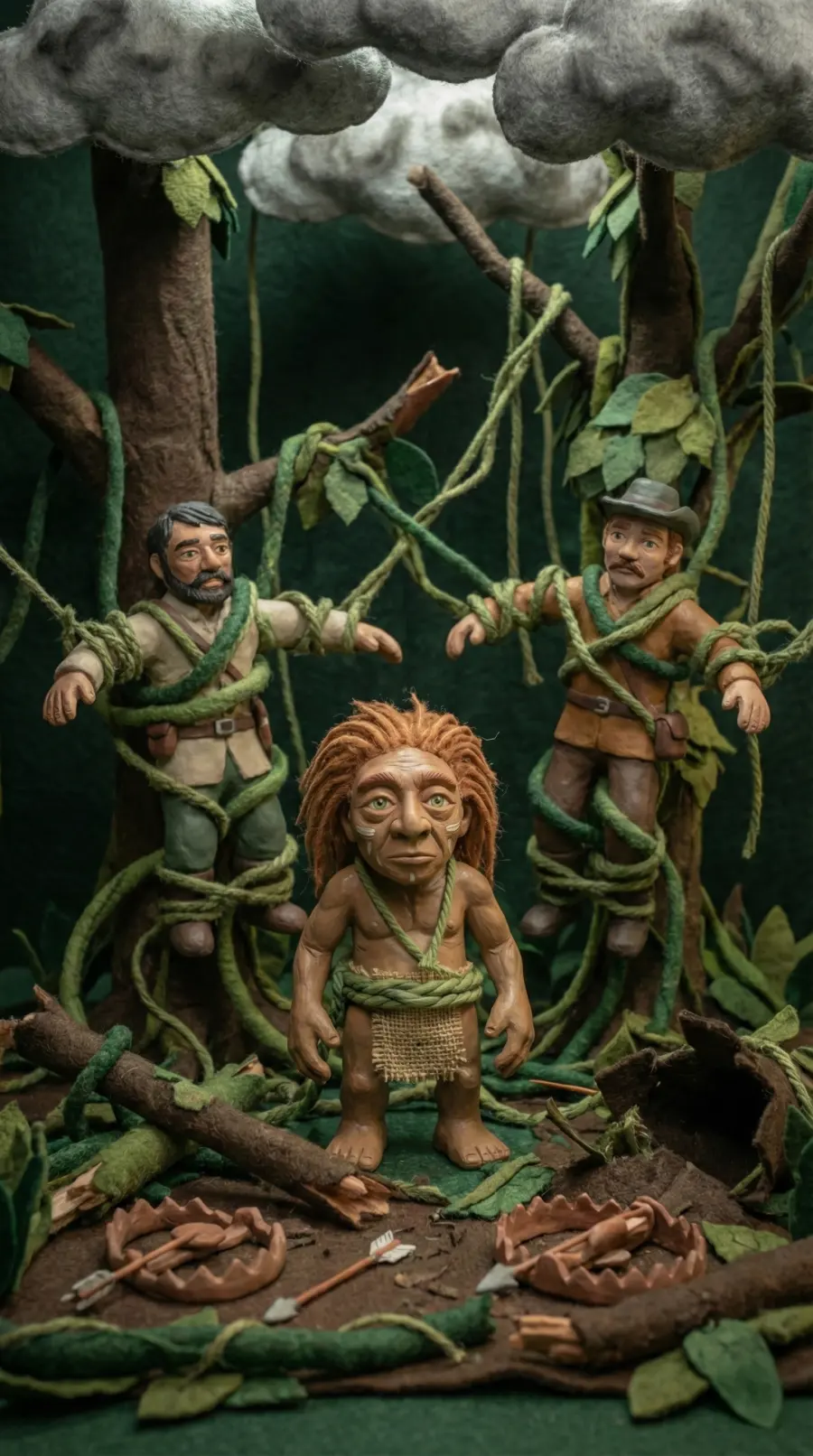
The forest becomes a trap, the vines tighten and the path disappears. Punishment arrives like the siesta: silent and inevitable.
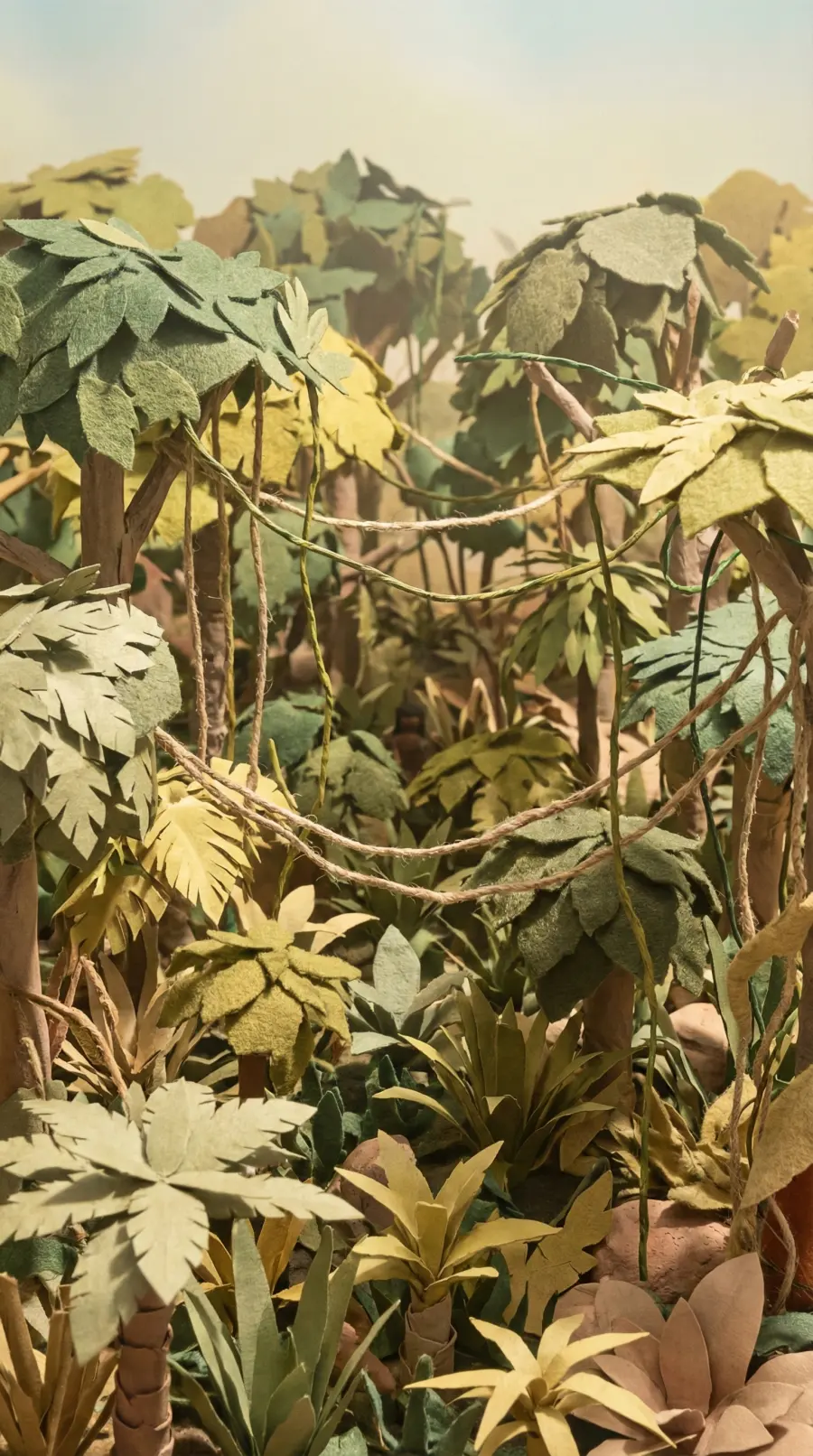
In Villarrica and Caazapá, a vine bears his name.
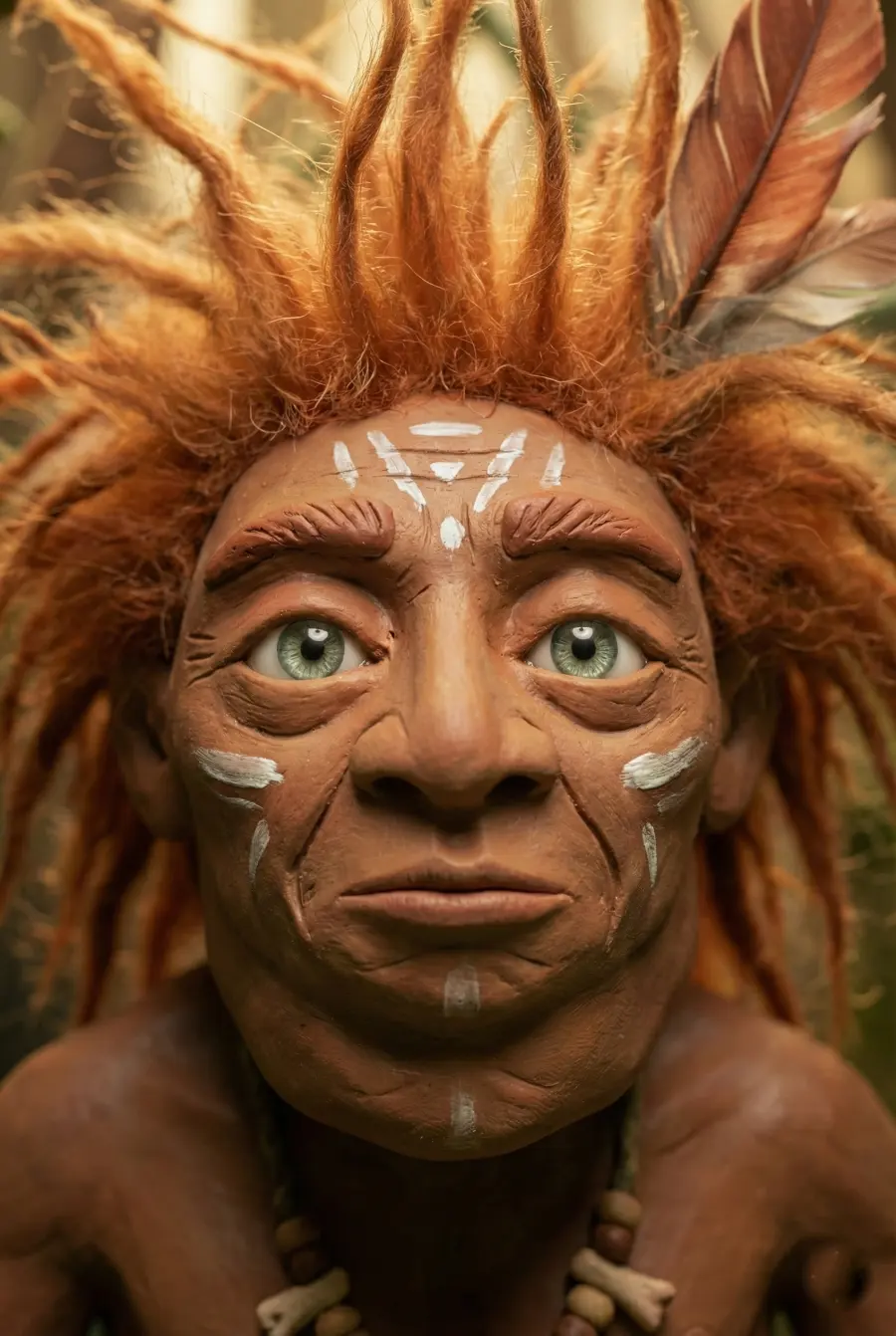
Kurupí was not born evil. Punishment made him a guardian.
Sixteen frames, as in stop motion. Slide to animate.
Tap a number to zoom in.
He is the fifth child and Colmán calls him lord of the forest.1
Backward feet are his best-known trait, and they confuse anyone following his tracks. The earliest cited written record of the Kurupí dates to 1793.2
Forest protector or abductor: many popular versions give him kidnappings and behavior meant for adult tales. This saga, made for all ages, leaves that out.21
Tupã's punishment does not appear in Colmán or in the other sources we consulted. It is an invention of this saga.1
The vines around his waist also belong to this saga, a way of telling the character for all audiences.
Colmán mentions a forest vine named after Kurupí. The places named in the video, Villarrica and Caazapá, do not appear in that passage.1